Trying to figure out where Dubai property prices are heading in 2026. Will the prices rise or fall due to oversupply? You are not alone. This Dubai property prices forecast guide covers everything you need to know.
The topic “Dubai’s real estate market crash” has become one of the most searched questions among property investors. With global economic uncertainty, strong price appreciation, and increased off-plan launches, many investors are asking whether Dubai’s property prices will fall in 2026 due to oversupply.
At D K V International Real Estate, we collaborate with leading developers, architects, and investment firms to ensure every project exceeds expectations.
So, will Dubai property prices fall due to oversupply? Or is this just another cycle in a maturing market? Let’s take a deep look at Dubai’s property price forecast so you can make a wise investment decision.
Dubai Property Prices Forecast 2026: Trends, Growth, and What Investors Should Expect
Understanding the Current Dubai Property Price Forecast
The Dubai property prices forecast for 2026 and beyond is more nuanced than a simple “rise or fall” prediction.
Dubai’s property prices in 2026 are shifting toward moderate, sustainable growth rather than rapid appreciation. With forecasts indicating a 3-7% average increase.
And yes, supply is increasing, but so is demand. Dubai continues to attract:
- High-net-worth individuals relocating from Europe, Asia, and Russia
- Remote professionals seeking tax-free living
- Investors looking for stable rental yields (often 6-9%)
- Expats choosing long-term residency thanks to visa reforms
In fact, many analysts believe that while certain segments may experience price corrections, a market-wide crash is unlikely.
Key takeaway: Oversupply doesn’t automatically mean falling prices; it depends on where and what types of properties are being built.
Is Oversupply Really a Problem?
Let’s address the elephant in the room. While high apartment supply in some areas may cap gains, strong population growth and demand for luxury units are more likely to keep prices firm.
Dubai has historically experienced cycles of:
- Rapid construction
- Short-term oversupply
- Market correction
- Stabilisation
But today’s scenario is different from the past (like 2008 or even 2015).
What has changed?
1. Smarter Regulation: The government has implemented stricter controls on project launches and developer financing.
2. Supply Structure: Developers are focusing on delivering massive volumes of ready apartments in competitive areas, making the property market more crowded.
3. Increase Demand Resilience: Earlier, demand was heavily investor-driven. Today, end-users, families, and professionals make up a significant portion.
4. Population Growth: Dubai’s population is steadily rising, targeting over 5 million residents by 2040, continuing to fuel demand for housing.
5. Long-Term Visas: Golden visas and retirement visas are encouraging people to stay, not just invest and leave.
So while supply is growing, it’s not blindly outpacing demand across the board.
Areas That Might Feel the Pressure in 2026
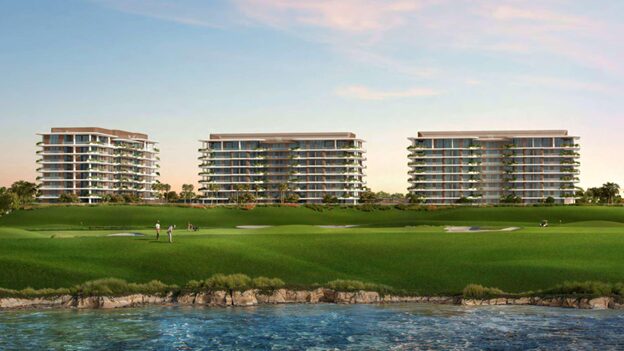
Here’s where things get interesting. Not all areas are created equal, and oversupply tends to impact specific segments more than others.
Areas facing potential pressure include:
- Jumeirah Village Circle (JVC): Holds one of the largest pipelines of new apartment handovers.
- Business Bay: High-density and high-rise developments are more likely to put pressure on rental yields.
- Arjan & Dubai South: A significant volume of new supply arises.
- Dubailand: Large influx of apartments. Leading to increased property completion.
Investors may find negotiating power in mid-tier, high-density locations, while prime, well-connected developments are expected to hold value.
Think of it this way. If ten identical apartments hit the market in one area, prices may soften. But a rare beachfront villa? That’s a different story altogether.
What Investors Should Do?
1. Prioritise Established Areas: Focus on locations with established infrastructure and limited space for new developments, such as Dubai Marina, Dubai Hills Estate, and Jumeirah Lake Towers.
2. Target High-Yield Segments: Focus on villas and townhouses, which are predicted to outperform apartments, and aim for areas offering high rental yields.
3. Select Quality Off-Plan Properties: Focus on reputable developers with proven track records to avoid completion delays.
4. Think Long-Term: Short-term fluctuations are normal, but Dubai has strong long-term growth.
The Bottom Line
So, what’s the Dubai property prices forecast? The simple answer to this question is that Dubai property prices are expected to face moderate declines. Still, the overall market remains strong, supported by global demand, smart regulations, and long-term growth plans.
For investors, this isn’t a warning sign. It’s a moment to be selective, informed, and strategic. Whether you are seeking villas for rent or want to buy a townhouse in Dubai, now is the time to get expert guidance.
Connect with D K V International Real Estate today to explore high-potential opportunities, gain insider insights, and make confident property decisions that align with your long-term goals.
Frequently Asked Questions
Will Dubai property prices crash in 2026?
A full-scale crash is unlikely. While certain segments may see price corrections due to oversupply, strong demand and government policies are expected to stabilise the market.
Is oversupply affecting rental yields in Dubai?
In some mid-range areas, rental yields may slightly adjust. However, prime locations and high-demand properties continue to offer attractive returns.
Should I wait for prices to drop before investing?
Timing the market perfectly is difficult. Instead, focus on buying the right property in the right location with strong long-term potential.
Which property types are safest during oversupply?
Luxury villas, waterfront properties, and branded residences tend to be more resilient due to limited supply and high demand.